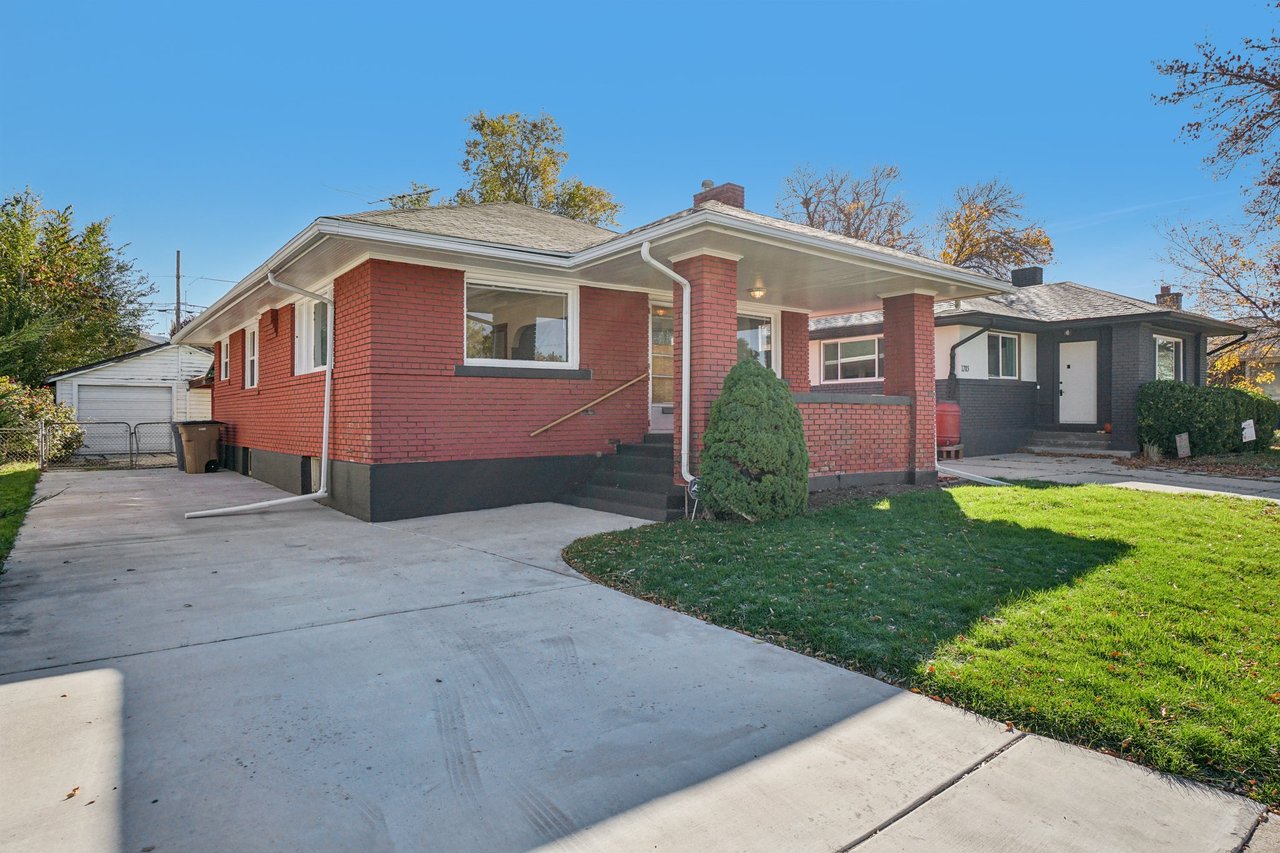
What happens if the appraisal comes in low in Utah?
When a Utah home appraises below the agreed purchase price, your lender will only finance against the lower number, so the difference—the "appraisal gap"—becomes a problem the buyer and seller have to solve together. You generally have five paths: bring extra cash to closing, renegotiate the price with the seller, split the difference, challenge the appraisal through your lender with a Reconsideration of Value, or cancel the contract if your appraisal contingency under Section 25 of the Utah REPC is still active. In Salt Lake City's 2026 market—where single-family inventory is tight but condos and townhomes have loosened—who ends up absorbing the gap depends heavily on the property type and how motivated the seller is.
By David Lawson | June 26, 2026
You found the home, your offer beat out the competition, and you're finally under contract. Then your lender calls: the appraisal came in $18,000 under your purchase price. Take a breath. This is one of the most stressful moments in any transaction, and it's also one of the questions buyers and sellers across the Wasatch Front ask us most. A low appraisal doesn't have to kill your deal—but what you do in the next few days matters.
Here's the core problem. Your lender bases your loan on the lower of two numbers: the appraised value or the contract price. If you agreed to pay $500,000 and the appraisal comes back at $482,000, the bank lends against $482,000. That $18,000 gap doesn't vanish. Someone has to cover it, the price has to move, or the deal comes apart.
Why low appraisals happen—and how often
A low appraisal isn't a sign anyone did anything wrong. An appraiser's job is to support the value with recent, comparable sales. When a home sells for more than the most recent comps can justify, the number can fall short.
Nationally, only about 8.6% of appraisals came in under the contract price in the most recent data, down from roughly 10.7% a year earlier. So it's the exception, not the rule. But the odds climb in a few specific situations:
- Bidding wars push the price above the comps. When two or three buyers compete, the winning number can outrun what recently sold down the street.
- Prices are rising faster than closed sales reflect. Appraisers look backward at sold data, so a fast-moving submarket can leave the comps lagging.
- The home is unusual or the comps are thin. A heavily renovated bungalow in The Avenues or a one-of-a-kind property in Olympus Cove can be genuinely hard to value.
- New construction sets the pace. In the southwest valley—Daybreak, Herriman, South Jordan—builder pricing and incentives can make nearby resale comps tricky to read.
Salt Lake City sits at the lower-to-middle end of the "hot market" rankings in 2026, which works in a buyer's favor. Homes are taking around 29 to 36 days to go under contract, and roughly 58% of Utah homes recently sold below their original list price. That cooler tempo means appraisals clear at or above contract more often than during the 2021–2022 frenzy—but gaps still happen, especially on competitive single-family listings.
Your five options when the appraisal comes in low
Once the number comes in short, you and the seller have a defined set of moves. The right one depends on your cash, your contract, and how badly each side wants the deal to close.
- Bring extra cash to closing. If you have the funds, you can cover the gap yourself. The lender still finances against the appraised value, and you make up the difference out of pocket. This keeps the price intact for the seller and the deal on schedule—but it means more cash than you planned, on top of your down payment and closing costs.
- Renegotiate the price. Your agent goes back to the seller and asks them to lower the price to the appraised value. In a softer segment—and condos and townhomes across the valley have edged into buyer-friendly territory with six to seven months of supply—a motivated seller often agrees, because the next buyer's appraisal will likely come in at the same number.
- Split the difference. This is the most common outcome. On that $18,000 gap, the seller drops the price by $9,000 and you bring $9,000 in cash. Both sides give a little, and the deal survives. It's usually the fastest way to keep everyone at the table.
- Challenge the appraisal. If you and your agent believe the appraiser missed better comps or made a factual error, you can request a Reconsideration of Value (ROV). In Utah, only the lender can formally submit an ROV, and it has to be backed by new or corrected information—stronger comparable sales, square-footage corrections, or overlooked upgrades. Simply disagreeing with the number isn't enough.
- Walk away. If your appraisal contingency is still active, you can cancel and—when you follow the contract's notice rules—get your earnest money back. That's your ultimate protection against overpaying for a home the bank won't fully finance.
How the Utah REPC protects you
In Utah, the appraisal contingency lives in Section 25 of the Real Estate Purchase Contract, alongside the financing deadline. If the appraisal comes in low and you decide to cancel, the REPC generally allows you to recover your earnest money—provided you deliver written cancellation before the Appraisal Deadline and attach the Notice of Appraised Value as the contract requires. Miss that deadline, and your earnest money is exposed.
This is why the appraisal deadline matters as much as the inspection window. It pairs closely with the protections in the Utah due diligence period, and it's the kind of detail you want to track carefully with your agent. We aren't appraisers, lenders, or attorneys, and your exact deadlines live in your specific contract—so confirm the dates the moment you go under contract, not the week the appraisal is due.
What a low appraisal means if you're the seller
If you're selling, a low appraisal on your buyer's loan is your problem too. The buyer can't always cover the gap, and if the deal falls through, your next buyer's appraiser will likely land on a similar value—you'd be starting over to reach the same number.
Your leverage comes down to the segment you're in. Single-family inventory across Salt Lake City is still tight, around 1.6 to 2.6 months of supply, which is firmly a seller's market. There, buyers more often absorb the gap because they have fewer alternatives. Condos and townhomes are softer, so sellers in those segments more often reduce to the appraised value to keep the deal alive.
The best defense is pricing the home to appraise from day one, which starts with a sharp read on the comps before you list. That's the heart of pricing strategy when you sell in Salt Lake County—setting a number the market will support, not just the highest number an automated estimate suggests.
How to protect yourself before the appraisal
The smartest time to deal with a low appraisal is before it happens. A few moves make a real difference:
- Use appraisal gap coverage with a cap. Rather than promising to cover any shortfall, agree in writing to cover the gap up to a set dollar amount—say, $10,000. It strengthens your offer without exposing you to an unlimited cash call.
- Think twice before fully waiving the appraisal contingency. In a competitive offer it's tempting, but waiving it transfers the entire gap risk to you. A capped gap clause or a shorter appraisal timeline usually competes just as well with far less downside. Getting this wrong is the kind of surprise that lands buyers on the regrets list we hear about most often.
- Get the comps right up front. Your agent can give the appraiser a packet of recent, relevant sales—especially important for unique homes or new-construction-heavy areas where the comps need context.
- Plan your cash with rates in mind. With 30-year fixed rates sitting in the low-to-mid 6% range as of late June 2026 (verify the day's number with your lender—rates move week to week), some buyers are stretching their down payment thin. Keep a cushion so an appraisal gap doesn't force an impossible choice at the closing table.
A low appraisal feels like a wall, but it's almost always a negotiation. With the right contingency in place and a plan for the gap, it's a problem you solve—not a deal you lose.
Frequently Asked Questions
Who pays the difference if the appraisal comes in low in Utah?
There's no automatic rule—it's negotiated. The buyer can bring extra cash, the seller can lower the price, or the two can split the difference. In tight single-family segments buyers more often absorb the gap, while in the softer condo and townhome market sellers more often reduce to the appraised value.
Can I back out if the appraisal is lower than the offer?
Yes, if your appraisal contingency under Section 25 of the Utah REPC is still active. When you deliver written cancellation before the Appraisal Deadline and follow the contract's notice requirements, your earnest money is generally refundable. Miss the deadline and you risk forfeiting it, so track the date closely with your agent.
How often do appraisals come in low?
Recently about 8.6% of U.S. appraisals came in under the contract price, down from roughly 10.7% a year earlier. Low appraisals are most likely after bidding wars, in fast-rising submarkets, or on unusual homes where comparable sales are thin.
What is appraisal gap coverage?
It's a written promise in your offer to cover some or all of the difference between the appraised value and the purchase price, usually up to a capped amount. It makes an offer more competitive than a full contingency waiver while protecting you from an unlimited out-of-pocket cash call.
Does a low appraisal mean I'm overpaying?
Not necessarily. An appraisal is one professional's backward-looking opinion based on recent comps, and in a fast-moving or low-inventory segment the comps can lag real market value. That's why challenging the appraisal with stronger comparables, or proceeding when you're confident in the home, can both be reasonable—your agent can help you read which situation you're in.
Working through an appraisal gap
A low appraisal is one of the few moments in a transaction where a few days of good decisions can save—or cost—you thousands. The path you choose should fit your cash, your contract, and the segment you're buying or selling in. If you're navigating an appraisal gap right now, or you want to structure an offer that protects you from one before it happens, we're happy to consult on the market and help you assess your options. Reach out to schedule a private consultation with our team.
About David Lawson
David Lawson is the founder of the Lawson Real Estate Team, a real estate group serving Salt Lake City and the greater Wasatch Front, including Sugar House, Holladay, Cottonwood Heights, Draper, and the fast-growing southwest valley and northern Utah County. He leads a team that has closed more than 3,920 transactions and earned recognition as the #1 eXp Realty team in Utah (2022–2025) and previously the #1 Engel & Völkers team worldwide (2019, 2021). David and his team work with buyers and sellers across the full market—from first-time buyers and move-up family homes to multifamily investments and luxury real estate—guiding clients through one of the fastest-growing housing markets in the country.