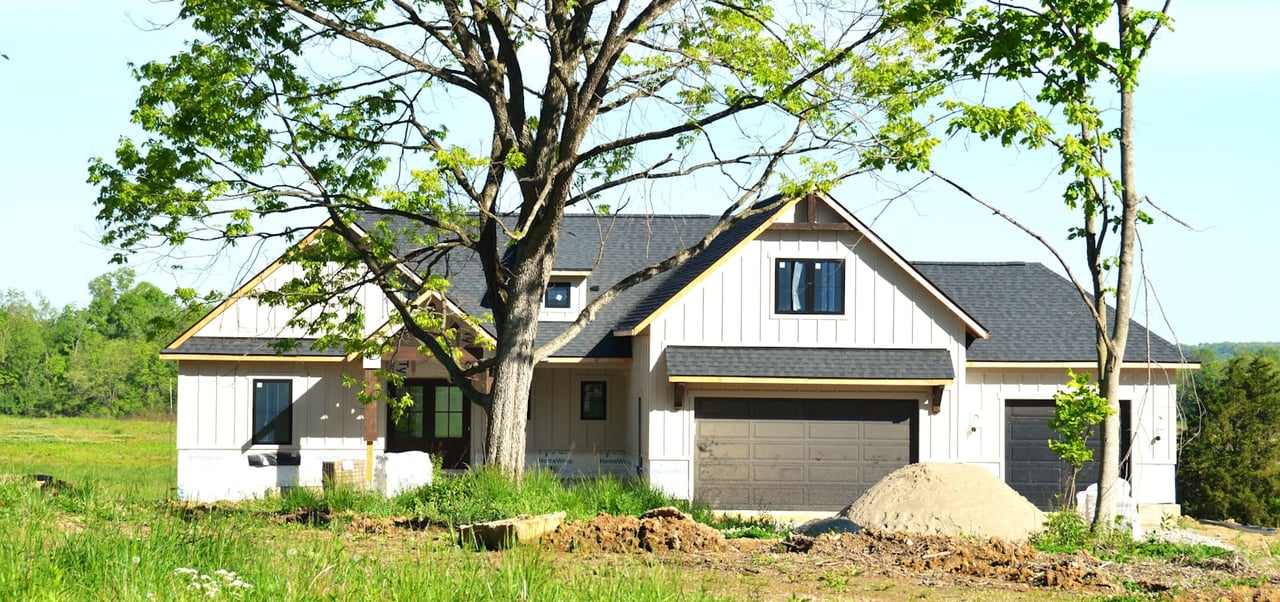
Do you need your own agent to buy new construction in Deer Valley East Village or Canyons Village?
You're not required to have one, but the on-site sales team in a Park City resort development represents the developer, not you. Bring your own agent when the purchase involves a pre-construction contract, a phased release, or building-specific nightly-rental and resort-fee questions—and choose one who has actually closed in that village. In most developments the developer compensates your agent, but you typically need to register your agent at your first visit or first inquiry, so decide before you tour the sales gallery.
Deer Valley East Village and Canyons Village are the two busiest new-construction stories in Utah right now. Between the expanded Deer Valley terrain on the Jordanelle side and the steady build-out at the base of Canyons, buyers are seeing more pre-construction product than this market has offered in a decade—hotel-branded residences, phased condominium releases, and townhomes that sell from a sales gallery before they ever touch the MLS.
Which raises the question we hear constantly from buyers: the sales office is right there, the people are knowledgeable and friendly, so do you actually need your own agent?
Here's how to think it through—and if you decide you do want representation, how to choose someone who will earn it.
The sales office works for the developer
This is the single most important thing to understand about resort new construction. The on-site team is often excellent—deeply informed about the product, the finishes, and the timeline. But they are the developer's sales force. Their fiduciary duty runs to the seller, and every disclosure, price sheet, and contract term reflects that.
Three things follow from it:
- The contract is the developer's contract. Resale buyers in Utah work from the standard state-approved purchase contract, with its familiar due-diligence and financing protections. Developers generally use their own purchase agreements instead. Deposit schedules, completion-date flexibility, substitution rights on finishes and materials, assignment rules if you want to sell before closing—all of it is written by the developer's attorneys, and none of it is negotiated for you by the person across the sales desk.
- Early releases move through relationships. In phased projects, the best inventory is often allocated before formal public marketing begins. Developer sales teams communicate upcoming releases to agents with active buyers. If you wait for units to appear publicly, you're often choosing from what's left of a phase, at a later price sheet.
- Nobody on-site is pricing the alternative. A sales gallery can tell you everything about its own project and nothing about whether a nearly new resale two buildings away is a better buy per square foot. That comparison is exactly what independent representation is for.
None of this makes developers adversaries. We've represented the developer side ourselves—our team is the listing team for Alcove at Midway—and a well-run sales office wants informed, well-represented buyers, because those transactions close cleanly. But knowing how the developer side works from the inside is precisely why we'd never suggest a buyer walk into a pre-construction contract without someone on their side of the table.
When you need a specialist—and when you don't
An honest qualifier first: not every new-construction purchase demands a niche specialist. If you're buying a completed unit in an established building with a clean HOA history, any strong Park City buyer's agent can represent you well.
The case for a resort new-construction specialist gets strong when your purchase involves any of these: a pre-construction or phased-release contract, a hotel-branded residence with a rental program, nightly-rental income assumptions, or a building where resort fees and access rights materially affect value. In those situations, evaluate any agent you interview against criteria like these:
- Village-specific transaction history. Canyons Village and Deer Valley East Village are different markets with different fee structures, rental dynamics, and buyer pools. Ask for the agent's actual closed transactions in the village you're considering, not "Park City experience" in general. (Our team has worked across the Canyons Village developments for years, and it still surprises us how much building-level nuance each new project adds.)
- Developer-side fluency. An agent who has sat on the listing side of a new development understands allocation, price escalations between phases, and how sales offices actually prioritize buyers. That perspective changes how they negotiate for you.
- Resort transfer-fee knowledge. Utah has no state transfer tax, but several Park City resort communities—Canyons Village and Empire Pass among them—carry private transfer fees that add a real percentage to your cost basis. Your agent should know the fee for every building on your shortlist before you write anything.
- Nightly-rental fluency, building by building. Whether nightly rentals are allowed, restricted, or channeled through a mandatory rental program varies by project and directly drives both value and financing. If income matters to you, this is a specialist conversation—we wrote a full guide on choosing an agent for a short-term-rental purchase in Park City that pairs well with this one.
- Contract literacy on developer paper. The agent should be able to walk you through how a developer purchase agreement differs from the standard Utah contract—deposits, completion dates, finish substitutions, assignment—and which terms are commonly negotiable.
- A release calendar, not just an MLS feed. Ask what's coming to market in the next two quarters that isn't publicly listed yet. A specialist will have an answer.
The fastest way to test any of this is to ask an agent to walk you through a specific building or release—that's a conversation we're always happy to have.
Questions to ask before you sign anything
Take these into any agent interview, and into the sales gallery itself:
- How many transactions have you closed in this village, and in this project specifically?
- Have you ever represented a developer or new-development listing? What did that teach you about the buyer side?
- What's the transfer fee on this building, and who pays it?
- What are the nightly-rental rules here, and how do they differ from the building next door?
- How does this developer's purchase agreement handle deposits, completion delays, and finish substitutions?
- What should I expect between contract and closing on a pre-construction unit—and where do buyers most often get surprised?
- If this project isn't the right fit, what would you show me instead?
That last question is the quiet test. An agent who only ever answers with the project in front of you is selling; an agent who can price the alternatives is representing.
One practical note on timing: register your agent with the sales office at your very first visit or inquiry. Most developments compensate the buyer's agent, but many will only honor representation established at first contact. Deciding on representation after you've toured is often too late.
FAQ
Does it cost me more to use my own agent on new construction?
In most Park City resort developments the developer compensates the buyer's agent, so representation typically doesn't come out of your pocket—but compensation practices vary by project and should be confirmed in writing before you register. What's consistent is the registration rule: bring your agent into the process at first contact.
Can I still get developer incentives if I bring my own agent?
Yes. Incentives—rate buydowns, HOA credits, finish upgrades—are set by the developer's pricing strategy, not by whether you're represented. A good agent will usually know which incentives a project has offered in prior phases, which strengthens your negotiating position rather than weakening it.
What's different about the contract compared with buying a resale?
Almost everything that protects you. Developer purchase agreements replace the standard Utah state-approved contract, and they're written to give the developer flexibility on completion dates, materials, and finishes. Deposit structures are larger and staged, and your exit rights are narrower. This is the core reason to have independent representation review terms before you sign.
When should I engage an agent in a phased release?
Before the phase you want opens—ideally a quarter or more ahead. Allocation conversations happen early, and pricing typically steps up between phases. An agent tracking the release calendar can position you for the opening price sheet instead of the third one.
Do I really need a specialist, or will any good Park City agent do?
For a completed unit in an established building, a strong general buyer's agent is usually enough. For pre-construction, phased releases, rental-program buildings, or anywhere resort fees and nightly-rental rights drive value, village-specific experience pays for itself. If you're weighing a second home, it's also worth understanding how Utah taxes primary versus second homes in Park City before you set your budget.
The bottom line
Choosing representation for Deer Valley East Village or Canyons Village comes down to three things: village-specific closed experience, fluency in developer contracts and fees, and access to the release calendar. A team that meets that bar turns a sales-gallery purchase back into a represented one.
If you're looking for luxury real estate in Park City or anywhere across the Wasatch Back, we're happy to consult on the market and help you assess your options. Reach out to schedule a private consultation with our team.
About David Lawson
David Lawson is the founder of the Lawson Real Estate Team, a luxury real estate group serving Park City and the greater Wasatch Back, including Hideout, Midway, Heber, and Kamas. He leads a team that has closed more than 3,920 transactions and earned recognition as the #1 eXp Realty team in Utah (2022–2025) and previously the #1 Engel & Völkers team worldwide (2019, 2021). David and his team specialize in high-end mountain properties—from single family homes and new construction to ski-in/ski-out vacation properties and short-term rental investments—guiding buyers and sellers through one of the most segmented luxury markets in the country.